Smoking Cessation Guide with ESUG.DK
Welcome to your personal smoking cessation
Quitting smoking is one of the best decisions you can make for both your own health and the well-being of those around you. This guide is designed to help you step by step to plan, execute, and maintain your smoking cessation.
The video guide consists of six parts, all designed to help you transition from smoker to smoke-free.
Let's take the leap together and start the journey towards a smoke-free life.
Preparation for Smoking Cessation - Step 1
Start by setting a date
Choose a specific date when you will begin your smoking cessation. It is an important part of the process because it allows you to mentally prepare for your decision to take effect.
Many also need aids for their smoking cessation, and by setting a date, you get time to prepare the practical things. You may need to order aids or investigate what suits your situation best.
However, it is important that the chosen date is not too far in the future, as this can lead to you postponing the cessation. We recommend setting the date within one week, preferably up to a weekend.
The reason for this recommendation is that the weekend provides an opportunity to plan activities that can keep you occupied. The first few days of a smoking cessation are the hardest and where you are really tested. With the right planning, you can create a good starting point to get through this challenging period.
Understand your addiction
Consider, why do you smoke?
Is smoking for you a habit, a way to de-stress, or a social activity? Understanding your triggers is crucial to finding the best alternatives and aids in your smoking cessation.
It is important that you are honest with yourself at this stage and reflect on what makes smoking a part of your life. For many smokers and ex-smokers, the social element is one of the biggest challenges in smoking cessation. Even if you stop smoking in social settings, you may find that you miss the community often associated with smoking. This shows that it's not just the cigarette itself that matters, but also the social experience around it.
If you feel the absence during your smoking cessation, it may be because you miss the social moments more than the cigarette itself. One way to maintain the feeling of community while working on your smoking cessation can be to switch to an e-cigarette. This allows you to continue participating in social smoking breaks while reducing the intake of harmful chemicals and gradually tapering off nicotine.
The e-cigarette can function as a transitional tool, helping you manage the absence of cigarettes and the social aspects while moving towards a smoke-free life.
Make a plan
Writing a plan can be an effective way to strengthen your decision to quit smoking. Start by making a list of the reasons that motivate you to quit cigarettes. Also consider strategies for handling difficult situations, such as social events or periods of stress.
Here are some examples of possible motivational factors:
- Health reasons: Reduce the risk of serious diseases such as cancer, COPD, and heart diseases.
- Economic benefits: Save money that can be used on other joys or goals in life.
- Family and friends: Protect your loved ones from passive smoking and be a positive role model for children.
- Quality of life: Gain more energy, improved sense of taste, and a better sense of smell.
- Long-term goals: Live longer and healthier, and experience the freedom of being independent of nicotine.
- Aesthetic reasons: Avoid bad breath, yellow teeth, and the smell of smoke on clothes and hair.
By concretising your reasons and preparing for challenges, you will be better equipped to maintain your smoking cessation.
Use of e-cigarettes as an aid - Step 2
E-cigarettes can be an effective tool to gradually reduce nicotine consumption and support you on the path to a smoke-free life.
A systematic review from Cochrane (2024) based on 88 studies with 27,235 participants shows that e-cigarettes with nicotine are more effective for smoking cessation than nicotine replacement therapy, e-cigarettes without nicotine, and no support. For every 100 people using e-cigarettes with nicotine, 8-10 stop smoking, compared to 6 with nicotine replacement therapy and 4 without support.
The report concludes that e-cigarettes with nicotine have high safety and tolerability in the short term. Common side effects include throat/mouth irritation, headache, cough, and nausea, which decrease over time. Serious side effects are rare, and there is no evidence of serious harm from use within a two-year period. However, long-term effects and the effectiveness of newer e-cigarette models require further research.
These findings support the use of e-cigarettes as an effective tool for smoking cessation, but continued monitoring and research are needed
(Source: Cochrane Database of Systematic Reviews 2024, Lindson et al.).
Choose the right E-cigarette and liquid
Start with an E-cigarette that suits your needs. Choose a liquid with a nicotine level that matches your current cigarette consumption.
Make a reduction plan
Set goals to gradually reduce the nicotine content in your E-liquid. For example, you can switch to a lower concentration every other week. We have made some examples of how a reduction plan could look depending on how large your consumption is. Remember that smoking cessation is individual, so if you want it to go faster or slower, you can always adjust your reduction plan yourself.
Reduction plan for up to 5 cigarettes daily
Do you smoke 4, 5, or 6 cigarettes daily? Our guide shows you how to gradually reduce over a few months – at your own pace.
Tapering plan for up to 10 cigarettes daily
Whether it's 8, 10, or 12 cigarettes daily, our guide helps you cut down in small, manageable steps towards a smoke-free life.
Tapering plan for 20+ cigarettes daily
Do you smoke 20 or more cigarettes a day? With our guide, you can gradually taper off over several months and work towards a smoke-free life at a pace that feels natural for you.



It is IMPORTANT to emphasise that the three above guides are examples of how a smoking cessation can proceed with the help of e-cigarettes. Each smoking cessation is individual, and we recommend that you find inspiration to adapt and organise your own plan to suit your needs and lifestyle. Strengths up to 18 mg/ml are available, but we recommend starting with no more than 12 mg/ml for smoking cessation.
Use e-cigarettes strategically
- Monitor consumption
Limit the use of the e-cigarette to certain times or situations, and avoid using it as a constant replacement for cigarettes. - Transition to nicotine-free liquid
Once you have reduced the nicotine content to a minimum, you can consider switching to nicotine-free liquid as a final transition before stopping completely. - Explore the health aspects
Although e-cigarettes are less harmful than traditional cigarettes, they should only be used as a temporary tool on the way to becoming completely smoke-free. Like other forms of nicotine replacement therapy (NRT), the goal is to support you in achieving the ultimate goal: a life without addiction.

Physical
Withdrawal symptoms such as headaches, irritability, and fatigue are normal but temporary. They typically don't last forever and come in waves of about 3-7 minutes. The intensity can vary, but it's important to remind yourself that it's only temporary. To help yourself manage the cravings, you can:
- Drink water to stay hydrated.
- Exercise to distract your mind and improve your mood.
- Eat healthily to reduce discomfort and give your body energy.
Mental
Find healthy ways to cope with stress and cravings:
- Take a deep breath for a minute to calm yourself.
- Chew gum or snack on healthy alternatives like carrot sticks.
- Distract yourself with an activity you enjoy, such as reading, taking a walk, or listening to music.
Reward yourself
Celebrate your milestones! It's important to acknowledge that even small victories are steps towards your final goal of becoming smoke-free. Give yourself small rewards when you reach certain goals – it can be anything from a nice dinner to something you've wanted for a long time. Also consider using some of the money you save by not smoking on something that makes you happy. It can motivate you to continue. Remember, rewards don't have to be big; a peaceful walk, a good book, or time for yourself can also be gifts that help you stay focused and appreciate your efforts.
Keep track of your progress
Use apps or a journal to keep track of your progress. It can be helpful to record how many days it has been since you last smoked a cigarette or what health improvements you have experienced, such as better breathing or increased energy. Consider noting how you have handled challenges so you can see what works for you. Visualising your results in numbers or by reading your own notes can give you extra motivation. You might also share your progress with friends or family – it can feel good to receive recognition for your efforts, and it also creates an extra layer of accountability.
Visualise the benefits
Think back to what motivated you to start your quit-smoking journey. Maybe it was about better health, longer life, or saving money. Write down the biggest benefits so you can return to them when the urge arises. Also consider finding new benefits along the way – it could be that you enjoy the smell of clothes without smoke, or that you can spend time with your loved ones without worrying about cigarettes. Create concrete images in your mind: imagine what your everyday life looks like being smoke-free, how much energy you have, and how many opportunities open up. This technique can help you maintain your motivation and focus on the bigger goal.
What if you slip up? - Step 5
Letting go of a habit like smoking is a journey, and it's completely normal to encounter bumps along the way. If you slip up, it doesn't mean everything is lost. The most important thing is how you get back up and continue your path to becoming smoke-free. Here are some tips to get back on track if it happens.
Don't be too hard on yourself
A relapse is not a defeat – it's a natural part of the process towards becoming smoke-free. The vast majority who embark on quitting smoking experience slipping up at some point. It doesn't mean you have failed, but rather that you are still learning how to handle the challenges. Remember, every day without cigarettes is a victory, and the relapse is just a small stone on the road. Take a moment to remind yourself why you started your quit-smoking journey, and use this experience as an opportunity to become stronger and better prepared for the future.
Analyse what went wrong
When you experience a relapse, take the time to consider what triggered the urge to smoke. Was it a social event, stress, boredom, or perhaps an unexpected emotional situation? Analyse the circumstances and think about how you can avoid similar situations in the future or handle them differently. Maybe you can plan strategies, such as having healthy alternatives like gum or a calming activity you can use instead. The most important thing in this step is to be honest with yourself without judging. In this way, you can learn from the experience and be better equipped for future challenges.
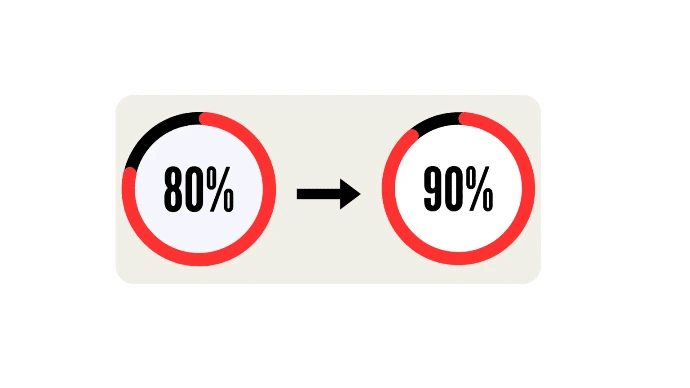
How many fail?
A large proportion, up to 80-90%, experience relapse in the first weeks or months, especially without help.
Nicotine addiction and habits play a big role in why people fail, and it often requires repeated attempts and support to succeed.Nicotine addiction and habits play a big role in why people fail, and it often requires repeated attempts and support to succeed.
Nicotine addiction and habits play a big role in why people fail, and it often requires repeated attempts and support to succeed.Nicotine addiction and habits play a big role in why people fail, and it often requires repeated attempts and support to succeed.
Long-term Tips - Step 6
To maintain your decision to quit smoking, it's important to minimise your exposure to situations that may tempt you. By taking control of your environment and habits, you can strengthen your quit-smoking process. Here are some concrete strategies that can help you avoid temptations and stay focused:
1. Avoid temptations
Avoiding temptations is an important part of your journey to quit smoking, especially in the first few weeks when the urge can be strong. Here are some strategies to reduce the risk of relapse:
- Identify triggers: As we have previously discussed, map out situations where you typically feel like smoking – it could be after meals, when you feel stressed, or when you drink alcohol. Understanding your triggers is the first step towards managing them.
- Avoid risky environments: If bars, smoking areas, or certain social contexts make it difficult to resist temptation, then avoid them initially. Consider taking a break from activities that were previously linked to smoking.
- Plan alternatives: Replace old smoking habits with new, healthy ones. Take a short walk, try mindfulness, or drink a glass of water when the urge arises.
- Create a smoke-free environment: Remove cigarettes, ashtrays, and other smoking-related items from your home, car, and workplace. A clean and smoke-free environment makes it easier to stick to your decision.
2. Keep reminding yourself of the benefits
Your motivation can be strengthened by focusing on the positive changes quitting smoking brings:
- Remember your reasons: Reflect on why you chose to quit. Health, finances, and freedom are some of the biggest gains.
- Make a list of benefits: Note the benefits you are experiencing or looking forward to – such as better fitness, fresher breath, and more money. Hang the list in a visible place like the fridge or mirror.
- Visualise the future: Imagine a life without cigarettes – more money for travel, more time and energy for your family, or the freedom to breathe easily.
- Track your progress: Use an app or diary to record how much money you've saved, how many days you've been smoke-free, and what health improvements you've experienced.
- Find inspiration in others' stories: Read or listen to success stories from others who have quit smoking. It reminds you that it is possible – and it is for you too.
3. Be proud
Quitting smoking is a huge achievement, and it's important to celebrate your efforts:
- Celebrate your milestones: Acknowledge your victories, big and small. Mark a week, a month, or a year without cigarettes with a reward, such as a dinner, a book, or a new experience.
- Talk positively to yourself: Avoid self-criticism if you have cravings or a bad day. Remind yourself that you are making an important decision for your health and future.
- Share your progress: Tell friends, family, or a support group about your achievements. Their recognition and support can give you renewed energy.
- Set new goals: Use the confidence and strength you've built by quitting smoking to pursue other dreams or health goals, such as exercise or a new hobby.
4. Get support
No one should quit smoking alone. Support from others can make all the difference:
- Talk to relatives: Share your goals and challenges with friends and family so they can support you along the way.
- Seek professional help: Consider contacting a smoking cessation advisor or joining a support group. Having an experienced advisor can provide you with strategies and motivation to continue.
5. Be flexible
Quitting smoking is a process, and it is important to adapt along the way:
- Give yourself time: If a step in the process feels difficult, extend the period before moving on to the next step. Slow progress is better than giving up.
- Adapt your strategies: If a method does not work for you, try another. Quitting smoking is individual, and the most important thing is to find what suits you.
- Listen to your body: If you experience strong cravings or physical discomfort, be attentive to what your body is telling you and adjust your approach as needed.
Thank you very much for your attention
We hope that our smoking cessation guide has provided you with inspiration and tools to get started with your quitting journey. For further support, you can revisit our video smoking cessation guide on YouTube, where we guide you through the entire process.
You can also find more good advice and guidance in the Health Authority's smoking cessation guide, which you can access via this link: You can also find more good advice and guidance in the Health Authority's smoking cessation guide, which you can access via this link: Health Authority's smoking cessation guide.
We cheer for you and wish you good luck on the journey to a smoke-free life!We cheer for you and wish you good luck on the journey to a smoke-free life!
You can also find more good advice and guidance in the Health Authority's smoking cessation guide, which you can access via this link: You can also find more good advice and guidance in the Health Authority's smoking cessation guide, which you can access via this link: Health Authority's smoking cessation guide.
We cheer for you and wish you good luck on the journey to a smoke-free life!We cheer for you and wish you good luck on the journey to a smoke-free life!
Managing Withdrawal Symptoms - Step 3
Withdrawal symptoms are physical and psychological reactions that occur when the body and brain wean off a substance (Nicotine) that one has been dependent on, or from a habit that has created a dependency. These reactions occur because the body has adapted to the presence of the substance or habit, and when it is suddenly removed or reduced, the body becomes unbalanced
Motivation and Perseverance - Step 4
To ensure that your smoking cessation is successful, it is important to stay focused. Below we have outlined some points that you should be aware of during the process.